Best Harness for a Dog That Pulls
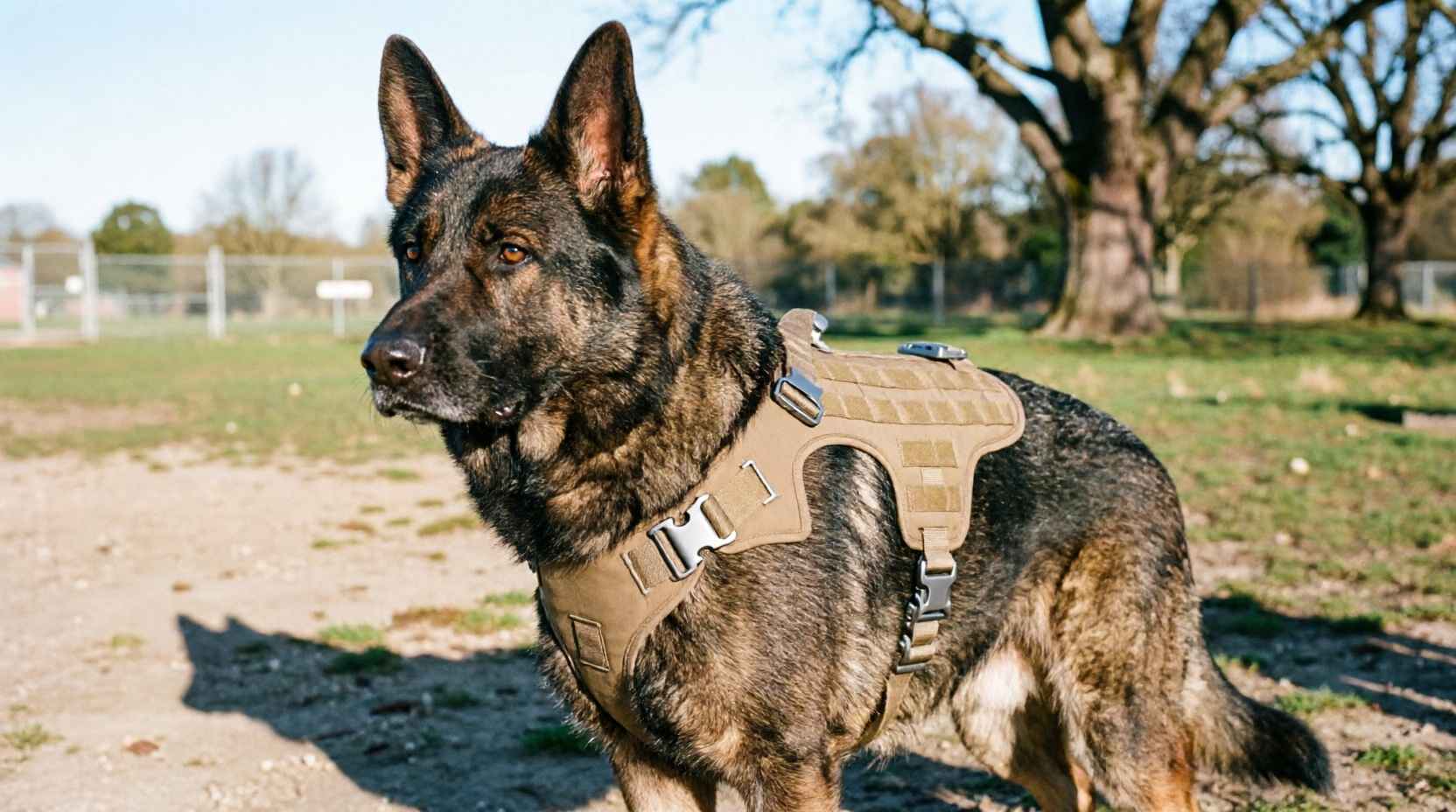
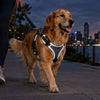
The best harness for a dog that pulls uses a front-clip design, adjustable straps, and sturdy hardware built for repeated tension. Look for metal buckles instead of plastic, a snug but comfortable fit, and, for larger breeds, a wider chest plate that spreads pulling force evenly instead of concentrating it on one strap.
Pulling on the leash is one of the most common complaints dog owners have, and the right harness makes a real difference before you even start training. This guide walks through what actually helps with pulling and compares a few well-known options so you can pick the right one for your dog's size and strength.
How Do I Stop My Dog Pulling on the Leash?

The fastest first step is switching to a front-clip harness, which redirects your dog sideways instead of letting them pull straight ahead. From there, pair the harness with short, frequent walks where you reward your dog with treats every time the leash stays loose. Stopping completely when your dog pulls, rather than continuing to walk, also teaches them that pulling doesn't get them where they want to go any faster.
Is a Harness Better Than a Collar for Pulling?
Yes, for dogs that pull, a harness is almost always the safer and more effective choice. A collar puts direct pressure on the neck and trachea every time a dog lunges forward, which can cause coughing, gagging, or long-term throat irritation in dogs that pull often. A harness, especially a front-clip style, spreads that pressure across the chest instead and gives you far more control without any risk to your dog's airway.
What Harness Stops a Big Dog Pulling?
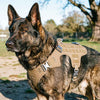
For large, strong dogs, look for a big dog harness no pull design with metal hardware rather than plastic clips, since plastic can crack under sustained pulling force from a 60-plus pound dog. A wider chest plate also helps by spreading the pulling force across more surface area instead of digging into a thin strap. Adjustable four-point straps matter here too, since large breeds vary a lot in chest shape even within the same weight range.
Does a Tighter Harness Help With Pulling?

No. A tighter harness doesn't reduce pulling and can actually cause rubbing or restrict shoulder movement. The real fix is the clip position, not the tightness of the fit. Keep the harness snug enough that it doesn't shift or slip, following the one-finger rule, and rely on the front clip and training to handle the actual pulling behavior.
Best Harnesses for Dogs That Pull, Compared
Here's how a few well-known no-pull options compare, with a focus on large or strong dogs specifically.
|
Brand |
Built For |
Hardware |
Approx. Price |
|
Fortress Edge Large Dog Harness |
Large breeds, no-pull control, tactical build |
Metal buckles, reinforced straps |
$38.25 on sale |
|
2 Hounds Design Freedom |
All sizes, dual-clip training |
Stainless steel, made in USA |
$33-$39 |
|
PetSafe Easy Walk |
Small to large, budget option |
Plastic buckles |
$18-$25 |
PetSafe's Easy Walk is an affordable, functional option, though its plastic hardware isn't built for the sustained force of a large, determined puller. 2 Hounds Design's Freedom Harness offers excellent build quality with dual clips, at a higher price point. The Fortress Edge dog harness for large dogs is purpose-built for bigger breeds, with metal buckles and a heavy-duty polyester and nylon build, at a price closer to the budget end of the market. For large dogs specifically, it offers strong hardware without the premium price tag.
How Long Should the Leash Be for a Dog That Pulls?
A shorter leash, around 4 to 6 feet, gives you more direct control than a long retractable leash, which actually encourages pulling by design since the tension mechanism rewards forward movement. A standard fixed-length leash paired with a front-clip harness gives you the quickest, most predictable response when your dog starts to pull, without the extra slack that retractable leashes add.
Does Breed Affect How Much a Dog Pulls?
Yes, to some extent. Breeds developed for pulling work, like Huskies and Malamutes, or high-energy working breeds like Belgian Malinois, often pull more instinctively than calmer companion breeds. That said, pulling is largely a learned habit regardless of breed, and even naturally strong-pulling breeds respond well to a front-clip harness combined with consistent training. Breed tendency affects how long training takes, not whether it works at all.
Training Tips to Use Alongside a No-Pull Harness
A harness makes pulling less effective, but pairing it with a few training habits speeds up results. Stop walking the moment the leash goes tight, and only continue once your dog returns to a loose leash. Reward calm walking with small treats every few minutes at first, gradually spacing out the rewards as the habit sticks. Short, frequent walks work better for training than long ones, since your dog stays more focused during a 15-minute session than an hour-long trek.
Should You Combine a Harness With a Trainer's Advice?
For dogs with severe or long-standing pulling habits, a harness alone may not fully resolve the behavior, especially if it's tied to anxiety or reactivity toward other dogs. A certified trainer can identify whether pulling stems from excitement, fear, or simply an untrained habit, and tailor a plan around your specific dog. Think of the harness as a helpful management tool that makes daily walks safer while any deeper behavior work happens alongside it.
What to Avoid When Choosing a Harness for a Puller
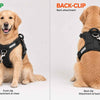
Avoid harnesses with only a back clip if pulling is your main issue, since this position can reinforce the exact instinct you're trying to reduce. Also skip harnesses with thin, unpadded straps for large dogs, since the concentrated pressure from sustained pulling can cause rubbing even with a correct fit. Finally, avoid choosing a harness based on looks alone. Metal hardware and a proper size chart matter far more than color or pattern when pulling is the problem you're solving.
Frequently Asked Questions
How do I stop my dog pulling on the leash?
Use a front-clip harness and reward loose-leash walking with treats, stopping whenever the leash goes tight.
Is a harness better than a collar for pulling?
Yes. A harness spreads pressure across the chest instead of the neck, avoiding strain on the trachea.
What harness stops a big dog pulling?
Look for metal hardware, a wide chest plate, and adjustable four-point straps built for larger breeds.
Does a tighter harness help with pulling?
No. Tightness doesn't reduce pulling. The clip position and training make the real difference.
Final Thoughts on Choosing a Harness for a Puller
The best harness for a dog that pulls combines a front-clip design with sturdy hardware sized correctly for your dog. Add in a bit of consistent training, and most dogs settle into calmer, more enjoyable walks within a few weeks.
For large breeds specifically, check out the dog harness for large dogs from Fortress Edge, built with metal hardware and an adjustable, heavy-duty design.