Do No-Pull Dog Harnesses Actually Work?
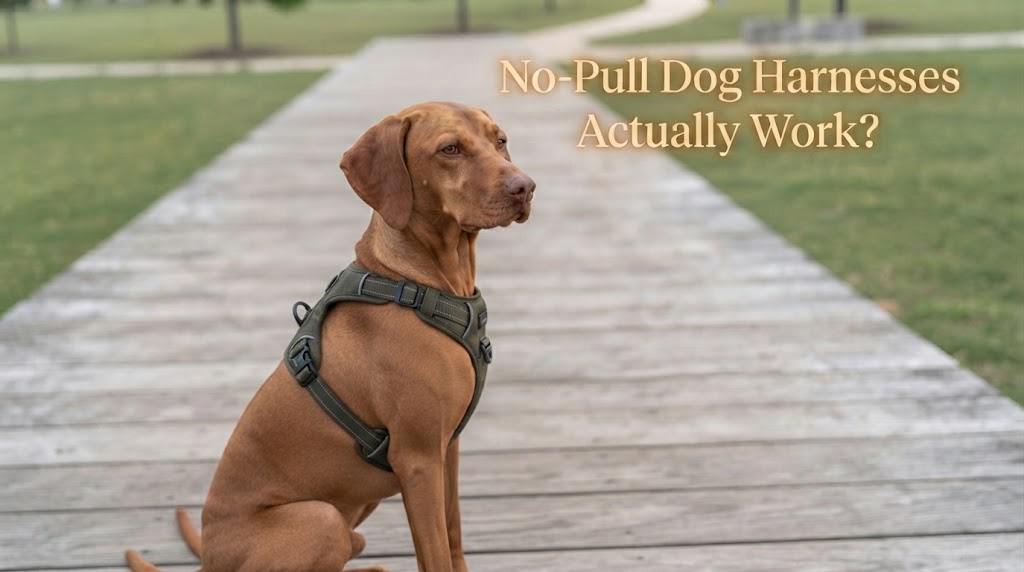
Yes, no-pull dog harnesses genuinely work for most dogs, though the results depend on the design. A harness with a front clip redirects your dog sideways instead of forward when they pull, which interrupts a natural instinct called the opposition reflex. Most owners notice less pulling within the first few walks, though a harness alone will not fully replace leash training for very strong pullers.
If you've ever felt like your dog was walking you instead of the other way around, you've probably searched for a no pull harness for dogs at some point. This guide explains exactly how these harnesses work, what they can and can't fix, and how they compare to some of the most popular no-pull options on the market.
How Does a No-Pull Harness Stop Pulling?

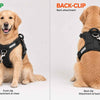
Dogs have a built-in reaction called the opposition reflex: when something pushes against them, they instinctively push back. A back-clip harness, where the leash attaches between the shoulders, actually plays into this reflex. It sits right over the dog's center of gravity, letting them lean into the pressure and pull with their full body strength, the same mechanics that make sled dogs so efficient. A dog harness no pull design changes this by moving the leash attachment to the front of the chest. When your dog pulls, the front clip redirects their body sideways instead of letting them drive straight forward. This sideways motion breaks the opposition reflex before it fully kicks in, since the dog can't brace and pull the same way.
Are No-Pull Harnesses Bad for Dogs?
No, a well-fitted no-pull harness is not harmful, and it's generally considered gentler than a collar, which can put pressure directly on the throat when a dog pulls. The main risk comes from poor fit rather than the design itself. A harness that's too tight can chafe under the front legs, and one that's too loose can twist or ride up during a walk. As long as you measure your dog correctly and adjust the straps for a snug, comfortable fit, a no-pull harness is a safe option for daily walks.
Do Vets Recommend No-Pull Harnesses?
Many vets and trainers recommend a front-clip harness over a collar for dogs that pull, since it avoids putting pressure on the neck and trachea. That said, vets are quick to point out that a harness manages pulling rather than training it away completely. For lasting change, most professionals suggest pairing a no-pull harness with basic loose-leash training, using treats and short, positive walks to reinforce calm behavior alongside the harness itself.
How Long Does It Take to Work?

Most dogs show noticeably less pulling within their first few walks in a properly fitted no-pull harness, simply because the front clip makes hard pulling physically less rewarding. However, "working" doesn't mean your dog forgets the habit forever. Very strong pullers, especially those with high prey drive or a lot of nervous energy, may push through the redirection at first and take longer to settle into calmer walking. Consistent short walks, paired with treats for loose-leash moments, speed up the process significantly.
Does a Tighter Harness Help With Pulling?
No, tightening the harness beyond a snug fit does not stop pulling and can actually cause discomfort or chafing. The mechanism that reduces pulling is the front-clip design itself, not tension in the straps. A harness should still follow the one-finger rule, snug enough that it doesn't slip, loose enough that it doesn't dig in. If your dog is still pulling hard even with the correct fit, the issue is more likely training or excitement level than how tight the harness is.
No-Pull Harness Options Compared
Here's how the Fortress Edge no-pull harness stacks up against two of the best-known no-pull brands on the market.
|
Brand |
Clip Style |
Extra Features |
Approx. Price |
|
Fortress Edge No-Pull Harness |
Front-loop, force-distributing design |
Reflective trim, breathable mesh, sizes XXS-XXL, cat-friendly |
$42.93 on sale |
|
2 Hounds Design Freedom |
Dual clip, front and back |
Swiss velvet lining, stainless steel hardware, made in USA |
$33-$39 for the harness |
|
PetSafe Easy Walk |
Front clip, martingale loop |
Budget-friendly, basic nylon construction |
$18-$25 |
PetSafe's Easy Walk is a solid budget entry point, and 2 Hounds Design's Freedom Harness is a well-regarded premium option with dual clips and US-made hardware. The Fortress Edge no-pull harness sits in between on price while adding reflective trim as standard, a feature neither competitor includes at this price point, and it comes in sizes small enough for cats as well as extra-large dogs. For owners who want night-time visibility built in without paying premium prices, Fortress Edge offers the strongest combination of safety and value.
Front Clip vs Back Clip: Which Should You Choose?
Most no-pull designs use a single front clip, but some, like the 2 Hounds Design Freedom Harness, include both a front and back ring. Using both at once with a double-connection leash gives you the most control, since the back clip stabilizes your dog while the front clip handles redirection. If you only need one clip, front is the better choice for pulling specifically, while back is fine for dogs that already walk politely and just need a comfortable everyday harness.
Signs a No-Pull Harness Isn't Fitted Correctly
A harness that rides up toward your dog's neck, twists to one side during walks, or leaves red marks under the front legs usually means the fit is off, not that the design has failed. Recheck your dog's chest girth measurement and make sure the front strap sits snugly across the chest without slipping. A correctly fitted no-pull harness should stay in roughly the same position throughout the entire walk.
What a No-Pull Harness Can't Fix on Its Own
A no-pull harness reduces the mechanical advantage your dog has when pulling, but it doesn't address why your dog pulls in the first place, whether that's excitement, fear, or simply never being taught to walk calmly. Dogs with very high energy or a strong prey drive may still pull hard against a front-clip harness, especially around squirrels or other dogs. Combining the harness with short training sessions, using treats to reward a loose leash, gets you the best long-term results.
Can You Use a No-Pull Harness for Training a Puppy?
Yes, and many trainers recommend starting puppies on a front-clip harness rather than a collar from the beginning. Puppies are still building leash habits, and a gentle redirection through the chest avoids putting any pressure on a young, developing neck. Introduce the harness indoors first, letting your puppy wear it around the house before attaching a leash, so the new gear feels normal before it's tested outside with real distractions.
Frequently Asked Questions
How does a no-pull harness stop pulling?
A front clip redirects your dog sideways when they pull, interrupting the opposition reflex that lets them lean into a back-clip harness or collar.
Are no-pull harnesses bad for dogs?
No, as long as they're sized and fitted correctly. A properly fitted harness is gentler than a collar for dogs that pull.
Do vets recommend no-pull harnesses?
Many do, especially over collars, though most also recommend pairing the harness with basic loose-leash training.
How long does it take to work?
Most dogs show less pulling within the first few walks, though strong pullers may take longer and benefit from added training.
Final Thoughts on No-Pull Harnesses
A well-made best no pull dog harness genuinely reduces pulling for most dogs by working with their natural instincts rather than against them. It won't replace training entirely, but it makes daily walks calmer and safer while you build better leash habits together.
If you want a no-pull harness with reflective safety trim built in at no extra cost, check out the freedom no-pull dog harness from Fortress Edge, available in sizes from XXS to XXL.
-
Posted in
Dog Harness, No-Pull Dog Harness, Pet Accessories, Secure Dog Harness